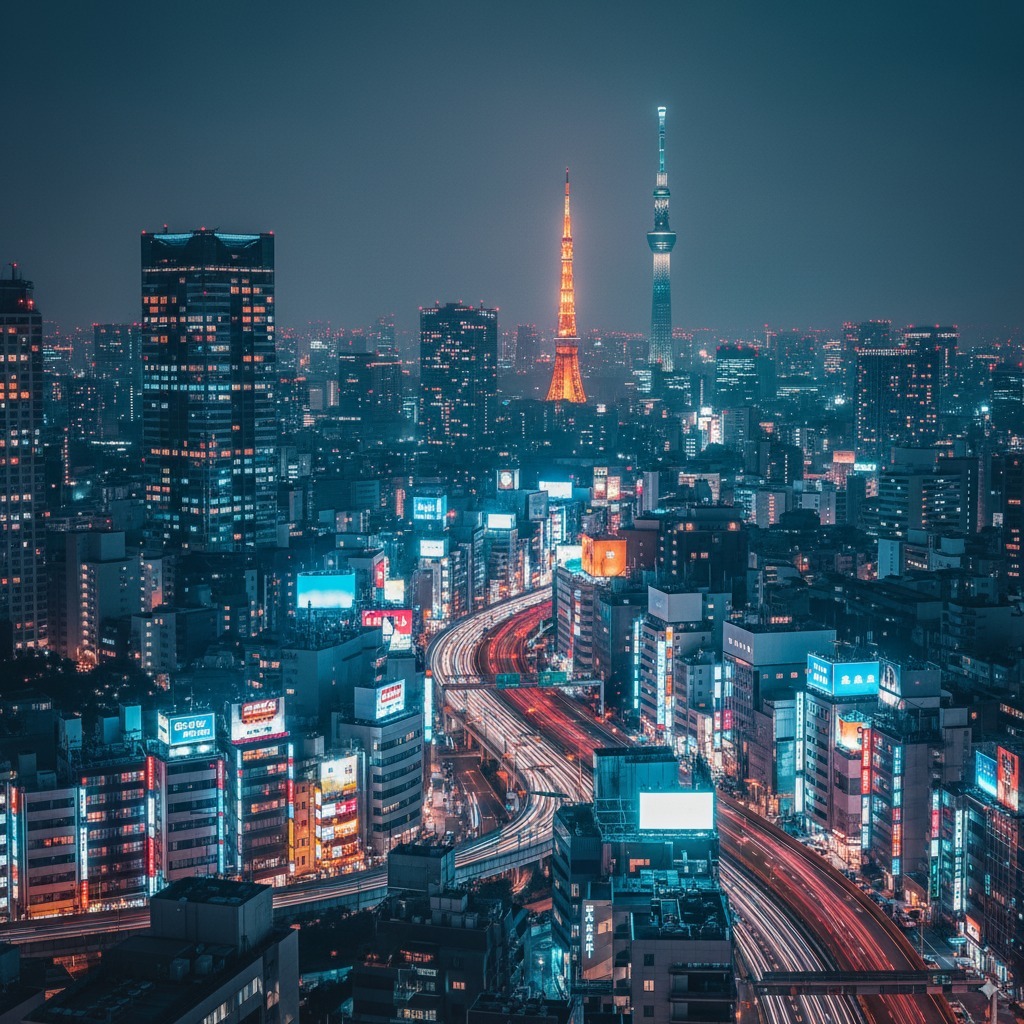
Tokyo, Japan
Tokyo is Japan’s capital and one of the world’s largest urban destinations, combining historic temples and shrines with modern shopping districts, museums, restaurants, nightlife and an extensive rail network.
Tokyo is Japan’s capital and one of the world’s largest urban destinations. It combines historic temples and shrines with modern shopping and entertainment districts, and is one of the easiest major Japanese cities to explore without a rental car thanks to its extensive rail and subway network.
About Tokyo, Japan
Tokyo works particularly well for travelers who want variety without changing cities every few days. You can visit a centuries-old temple in Asakusa in the morning, explore modern shopping districts in Shibuya or Shinjuku in the afternoon, and finish the day with sushi, ramen, yakitori or another style of Japanese cuisine.
The city also rewards neighborhood-based exploration. Shinjuku feels very different from Asakusa, while Ginza, Ueno, Akihabara, Harajuku and Odaiba each offer their own mix of food, shopping, culture and entertainment.
Tokyo is also one of the easiest major cities in Japan to explore without a rental car. Its extensive rail and subway network connects most areas that visitors are likely to visit.
Top Attractions
Sensoji (Asakusa)
Sensoji is one of Tokyo's most important historic attractions and one of the city's best introductions to traditional Japanese culture. Walk through Kaminarimon Gate, continue along Nakamise-dori and explore the temple grounds. Give yourself additional time to explore Asakusa rather than treating the temple as a quick photo stop.
Tip: Best for: culture, history, families and first-time visitors.
Shibuya
Shibuya is one of Tokyo's best-known modern districts. Visit Shibuya Crossing, explore the surrounding shopping streets and stay into the evening if nightlife interests you.
Tip: Best for: shopping, nightlife, photography and modern Tokyo.
Shinjuku
Shinjuku combines one of the city's major transportation hubs with department stores, restaurants, bars, entertainment and skyscrapers. It is also one of the most convenient areas to stay if you plan to make several trips across Tokyo.
Tip: Best for: first-time visitors, nightlife, food and transportation.
Meiji Jingu
Meiji Jingu provides a quieter contrast to the commercial streets of nearby Harajuku. The shrine is set within a large wooded area and is an important Shinto site.
Tip: Best for: culture, peaceful walks and combining with Harajuku.
Shinjuku Gyoen Garden
Shinjuku Gyoen is one of Tokyo's most useful green spaces for travelers who want a break from dense urban streets. The garden changes considerably with the seasons, making it especially attractive during spring and autumn. Check the official opening calendar before visiting because hours change by season and the garden has regular closing days. Busy cherry-blossom periods can require advance reservations.
Tsukiji Outer Market
Tsukiji's famous wholesale fish market moved to Toyosu in 2018, but the Outer Market remains active. Today it is a useful stop for seafood, sushi, Japanese ingredients, kitchenware and early-morning food experiences. Most visitors should go earlier in the day because many businesses close before evening.
Tokyo National Museum
The Tokyo National Museum in Ueno is a strong choice for travelers interested in Japanese art, history and cultural heritage. Allow several hours if you want to explore more than a small part of the collection.
teamLab Borderless
teamLab Borderless is an immersive digital-art museum in Azabudai Hills. Tickets are date and time specific and can sell out, so check the official ticket information before visiting.
Akihabara
Akihabara is especially relevant for travelers interested in anime, manga, gaming, electronics and Japanese pop culture.
Tokyo from Above
For city views, consider Tokyo Skytree, Tokyo Tower or the Tokyo Metropolitan Government Building. A free viewpoint can be a useful choice when you want a skyline experience without adding another expensive attraction to your itinerary.
Neighborhoods & Areas
Shinjuku
Best for: first-time visitors, nightlife and transport. Shinjuku is one of the most practical bases for exploring Tokyo because of its extensive rail connections and large selection of restaurants and accommodation. Possible downside: The area is busy and can feel overwhelming.
Shibuya
Best for: couples, nightlife, shopping and modern Tokyo. Shibuya is a strong choice if you want to be close to shopping, restaurants and evening entertainment. Possible downside: It can be crowded and accommodation can be expensive.
Asakusa
Best for: traditional atmosphere, culture and families. Staying around Asakusa gives you easy access to Sensoji and a more historic side of Tokyo. Possible downside: Some western Tokyo attractions take longer to reach.
Ginza
Best for: luxury, shopping and dining. Ginza is convenient for central Tokyo and particularly suitable for travelers interested in upscale shopping and restaurants.
Ueno
Best for: museums, families and convenient transport. Ueno combines major cultural attractions with good rail connections.
Tokyo Station / Marunouchi
Best for: business travelers and travelers using the Shinkansen. This area is especially practical if your Japan itinerary includes other cities.
Food & Drink
Must-try local cuisine and dining experiences
Budget Guide
Essential Attractions vs Optional Stops
Essential for a first Tokyo trip
- Sensoji and Asakusa
- Shibuya
- Shinjuku
- Meiji Jingu
- One major garden or museum
- At least one food-focused experience
Worth considering
- Tokyo Skytree
- Ginza
- Tsukiji Outer Market
- Tokyo National Museum
- teamLab Borderless
- Akihabara
- Odaiba
- Ueno
Better for repeat visitors
- Yanaka
- Koenji
- Shimokitazawa
- Kichijoji
- Okutama
- Tokyo's less-visited western areas
How Many Days Do You Need in Tokyo?
A practical route could focus on Asakusa + Sensoji + Shibuya + Shinjuku.
Two to three days is enough for a first overview. You can combine historic Tokyo, modern districts, food, shopping and one or two major attractions.
Four to five days is a better pace for first-time visitors. You can add museums, gardens, additional neighborhoods and a more relaxed food itinerary.
A week works well if Tokyo is your main destination or if you want to add day trips such as Kamakura, Hakone, Yokohama or Nikko.
How to Get to Tokyo
Most international visitors arrive through Haneda or Narita. Haneda Airport (HND) is generally more convenient for central Tokyo because it is much closer to the city. Narita International Airport (NRT) is farther away but has excellent rail and bus connections.
Tokyo is Japan's main high-speed rail hub. Shinkansen services connect the city with destinations including Kyoto, Osaka, Nagoya and other parts of Japan. Tokyo Station and Shinagawa are particularly useful for some Shinkansen journeys.
Long-distance highway buses connect Tokyo with other Japanese cities and can be useful when price is more important than speed.
How to Get Around Tokyo
For most travelers, use trains and subway services as your main transportation. Walking is useful when exploring individual neighborhoods. Taxis are convenient but usually cost more than public transportation. Buses can be useful for areas not served directly by subway or major rail lines.
A prepaid transportation IC card can make everyday travel easier because you do not need to calculate the fare for every journey.
The Tokyo Subway Ticket provides unlimited travel on Tokyo Metro and Toei Subway lines for 24, 48 or 72 hours. It does not cover every railway line in Tokyo, so do not buy it automatically. Compare your planned routes first.
Where to Stay in Tokyo
Choose your area based on your itinerary rather than assuming one neighborhood is best for everyone. Best for first-time visitors: Shinjuku Best for nightlife: Shinjuku or Shibuya Best for traditional Tokyo: Asakusa Best for luxury: Ginza Best for museums and families: Ueno Best for Shinkansen access: Tokyo Station or Shinagawa
What to Eat in Tokyo
Tokyo is one of the world's great food cities. Try:
Tsukiji: seafood, sushi and market foods. Shinjuku: ramen, izakaya and late-night dining. Asakusa: traditional restaurants, tempura and soba. Ginza: sushi and upscale Japanese dining.
Tipping Tipping is generally not customary in Japan.
Dietary requirements Vegetarian, vegan and other dietary options are increasingly available, but travelers with strict dietary requirements should research restaurants before arriving.
Is Tokyo Expensive?
Tokyo does not have to be prohibitively expensive, but it is not consistently cheap either. Accommodation is usually the biggest variable. To control costs:
- Use public transportation for most longer journeys
- Compare hotel areas against actual rail connections
- Eat some meals at casual restaurants, food halls or convenience stores
- Mix paid attractions with parks, shrines, neighborhoods and viewpoints whose current access rules fit your dates
- Compare taxi costs before using them for late-night trips, luggage transfers or routes poorly served by trains
Luxury hotels, premium sushi, fine dining and high-end shopping can increase costs quickly.
Visa and Entry Requirements
Japan's entry requirements depend on your nationality, passport, purpose of travel and length of stay. Some nationalities are exempt from short-term tourist visas, while others need to obtain a visa before travel. Before departure, check the applicable requirements from Japan's Ministry of Foreign Affairs and other official Japanese government sources. Also check customs requirements and consider completing the required information through Visit Japan Web before arrival. Do not rely on an old visa article or a third-party website because Japanese entry rules can change.
Safety in Tokyo
Tokyo is generally straightforward for tourists, but visitors should still use normal urban precautions. Keep valuables secure in crowded places, follow transportation rules and monitor weather warnings during typhoon season. Important emergency numbers:
Police: 110 Fire/Ambulance: 119 During earthquakes, typhoons or other emergencies, follow instructions from local authorities and transportation operators.
Local Customs and Etiquette
A few habits make travel in Tokyo easier: Keep your voice low on public transportation. Queue where indicated. Follow signs regarding photography. Do not assume tipping is expected. Avoid eating while walking in crowded market areas unless permitted. Follow temple and shrine instructions. Dispose of rubbish appropriately. Be especially considerate in residential neighborhoods. At Tsukiji Outer Market, visitors are asked to avoid obstructing professional buyers and to eat food inside shops or designated areas rather than walking through crowded lanes while eating.
Best Day Trips from Tokyo
Kamakura Best for temples, history and coastal scenery.
Yokohama Best for waterfront attractions, Chinatown and an easy change of scenery.
Hakone Best for hot springs, mountain scenery, museums and views toward Mount Fuji when conditions allow.
Nikko Best for temples, shrines and nature.
If your Tokyo trip is only three days, stay in the city rather than trying to force a day trip into the itinerary.
Tokyo Travel Tips
Do not underestimate travel time between neighborhoods. Group nearby attractions together. Use trains rather than taxis for most daytime journeys. Keep some cash available even though cards and electronic payments are widely used. Check attraction reservation requirements before visiting. Start popular attractions early when possible. Avoid packing too many neighborhoods into one day. Allow extra time for major stations. Check weather forecasts during summer and typhoon season. If visiting during cherry blossoms or major holidays, book accommodation early. Use official attraction websites for hours and ticket information. Check applicable immigration and customs requirements before flying.
Tokyo for Different Travelers
For couples: Combine gardens, food, shopping, skyline views and evening neighborhoods. For families: Ueno, Asakusa, museums, parks and selected entertainment attractions work well. For food travelers: Build the trip around neighborhoods rather than eating only near major tourist landmarks. For first-time visitors: Stay near a major rail hub and focus on a few districts each day. For repeat visitors: Explore neighborhoods outside the standard Shibuya-Shinjuku-Asakusa route. For budget travelers: Use public transportation, casual restaurants and lower-cost attractions whose current access rules fit your dates. Tokyo is easiest to enjoy when you stop trying to see everything. Choose a few neighborhoods, understand how the transport system works and leave enough time to eat, walk and explore between the major attractions.
Frequently Asked Questions
How many days are enough for Tokyo?
Three days is enough for a first introduction to Tokyo, while four to five days allows a more relaxed visit with additional neighborhoods, museums and food experiences.
What is the best month to visit Tokyo?
October and November are among the strongest months for comfortable sightseeing and autumn scenery, while late March and early April are popular for cherry blossoms.
Is Tokyo expensive to visit?
Tokyo can be expensive, particularly for accommodation and high-end dining, but travelers can reduce costs with public transportation, casual restaurants and lower-cost or no-admission attractions where current access rules allow.
Is Tokyo safe for tourists?
Tokyo is generally straightforward for tourists, but normal urban precautions and attention to weather warnings are still important.
Do I need a car in Tokyo?
No. Most visitors can explore Tokyo using trains, subways, buses and walking.
Which airport is better for Tokyo, Haneda or Narita?
Haneda is generally more convenient for central Tokyo because it is closer to the city, while Narita is farther away but has strong rail and bus connections.
Where should I stay in Tokyo for the first time?
Shinjuku is one of the most practical choices for first-time visitors because of its transportation connections, restaurants, shopping and nightlife. Asakusa is a better choice if you prefer a more traditional atmosphere.
What food should I try in Tokyo?
Sushi, ramen, tempura, soba, yakitori, tonkatsu and izakaya dishes are among the foods worth trying.
Is public transportation easy in Tokyo?
Yes. Tokyo has an extensive rail and subway network, although major stations can initially feel confusing. Using an IC card and checking routes before departure makes travel easier.
Is three days enough for Tokyo and a day trip?
It is possible, but if Tokyo is your first visit, three full days in the city is usually a better use of time. Consider a day trip when you have four or more days.
What is the best area for nightlife in Tokyo?
Shinjuku and Shibuya are two of the strongest choices for nightlife, restaurants and evening entertainment.
What should I book in advance in Tokyo?
Popular attractions with timed entry, immersive experiences, certain restaurants, accommodation during peak periods and some seasonal events may require advance planning. Always check the official attraction or event website.
Quick Facts
- CountryJapan
- RegionKanto
- CurrencyJapanese yen (JPY / ¥)
- LanguageJapanese
- Time zoneJapan Standard Time (UTC+9), with no daylight saving time
- Main airportsHaneda Airport (HND) and Narita International Airport (NRT)
- Getting aroundTrains, subway, buses, walking and taxis
- Best forFood, culture, shopping, history, nightlife, families and city breaks
- Recommended first trip3–5 days
- Car neededNo, not for a typical Tokyo visit
- Overall costModerate to high, depending heavily on accommodation and dining choices
When to Visit
Spring
Spring is one of Tokyo's most popular seasons, especially during cherry-blossom season. Good for: gardens, photography and mild sightseeing weather. Watch out for: crowds and higher demand around peak blossom periods.
Summer
June through August is hot and humid. Good for: festivals, fireworks and summer events. Watch out for: heat, humidity and occasional severe weather.
Fall
Autumn is one of the strongest seasons for a Tokyo city trip. September can still feel like summer, while October generally becomes more comfortable. November is particularly attractive for autumn foliage. Good for: walking, gardens, foliage and cultural events.
Winter
Winter brings colder temperatures but can be rewarding for travelers who prefer crisp weather, seasonal illuminations and a quieter sightseeing experience. Good for: winter lights, New Year traditions and indoor attractions.
Packing Tips
- Slip-on shoes for easy removal at temples
- Cash in yen coins/bills
- Hand towel (many restrooms lack dryers)
- Portable pocket Wi-Fi router
Ready to Visit Tokyo, Japan?
Review routes, documents, season and budget before booking.