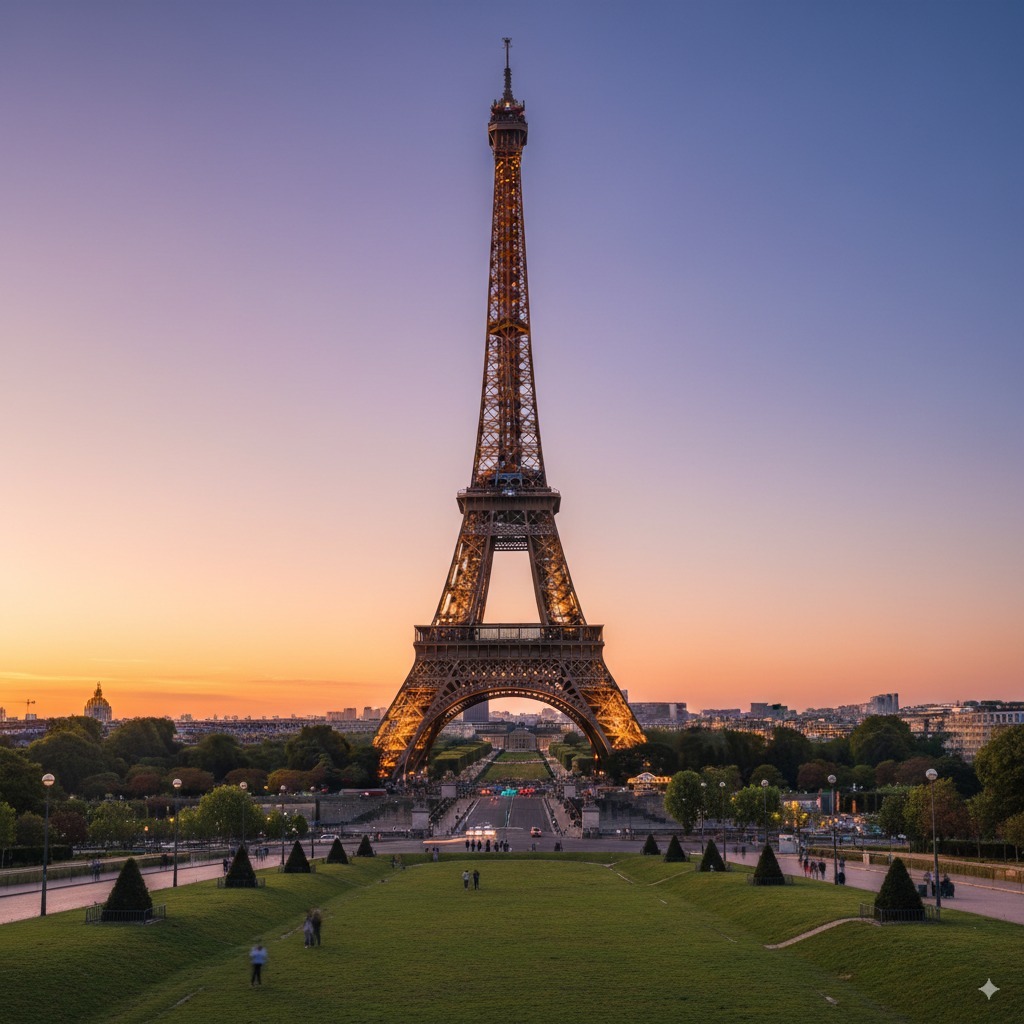
Paris, France
Paris is the capital of France and one of Europe's major destinations for art, history, architecture, food and fashion. The city is built around the Seine and divided into 20 arrondissements, each with a different character.
Paris is the capital of France and one of Europe's major destinations for art, history, architecture, food and fashion. The city is built around the Seine and divided into 20 arrondissements, each with a different character.
About Paris, France
Paris is strongest when you combine its famous landmarks with its neighborhoods.
You can spend a morning inside the Louvre, walk along the Seine, stop at a bakery, explore the Marais and finish the day around the Eiffel Tower. The city also has enough museums, food, architecture and local districts to support repeat visits.
The official Paris tourism office highlights well-known districts including the Marais, Montmartre, Champs-Élysées, Trocadéro, Bastille, Canal Saint-Martin and Père-Lachaise.
Top Attractions
Eiffel Tower
The Eiffel Tower is the obvious starting point for many first-time visitors. You can visit the second floor or summit, by elevator or stairs. Tickets are time-specific, and the official ticket office recommends planning ahead because popular dates can sell out.
Tip: 1.5–3 hours.
Louvre Museum
The Louvre is one of the world's major art museums. Rather than trying to cover the whole collection, choose a small number of sections before arriving. The museum recommends time-slot reservations, and opening hours vary by day.
Tip: at least 3 hours for a focused first visit.
Notre-Dame
Notre-Dame stands on Île de la Cité in the historic center of Paris. Following its restoration, the cathedral reopened in December 2024. Admission is free, but visitors may encounter waiting and timed-access arrangements.
Sainte-Chapelle
Visit for its Gothic architecture and extensive stained glass. It pairs naturally with Notre-Dame and the Conciergerie.
Montmartre
Walk around Montmartre rather than visiting only Sacré-Cœur. The hill, side streets, cafés and artistic history are part of the experience.
Musée d'Orsay
A strong choice for travelers interested in Impressionist and Post-Impressionist art.
Arc de Triomphe
Combine it with the Champs-Élysées and the surrounding western-central districts.
Seine
A walk beside the river is one of the easiest ways to connect several historic parts of Paris. A Seine cruise is another option if you want to see landmarks without walking between them.
Neighborhoods & Areas
Central Paris
Best for: first-time visitors. Central areas provide easy access to major museums and historic landmarks.
Marais
Best for: couples, food, shopping and neighborhood exploration. The area combines historic streets with boutiques, galleries, cafés and restaurants.
Latin Quarter
Best for: history, food and central sightseeing. It is particularly convenient for visitors interested in the Left Bank and Île de la Cité.
Saint-Germain-des-Prés
Best for: cafés, shopping, couples and classic Paris atmosphere.
Montmartre
Best for: couples, photography and travelers who want a strong neighborhood identity. The main disadvantage is the hill and the less central position compared with the 1st–6th arrondissements.
7th arrondissement
Best for: Eiffel Tower access and first-time visitors.
Bastille / 11th
Best for: restaurants, nightlife and a more energetic evening atmosphere.
Food & Drink
Must-try local cuisine and dining experiences
Budget Guide
Paris can be expensive, particularly for centrally located accommodation and popular attractions. The easiest ways to control costs are:
Best Time to Visit Paris
Spring
Spring is one of the strongest periods for a Paris city break. Expect changing weather, improving temperatures and longer days. Pack layers and a light rain jacket.
Summer
Summer brings long days and a busy outdoor and cultural calendar. It is also a popular period, so major attractions can be busy and accommodation demand can be high.
Autumn
September and October offer a strong balance of sightseeing conditions and cultural activity. November becomes cooler and generally less suited to long outdoor days.
Winter
Winter is best suited to travelers who prioritize museums, cafés, shopping and holiday atmosphere over long outdoor sightseeing.
Best overall
Late spring and early autumn are the safest recommendations for travelers wanting a balance between weather, sightseeing and crowds.
Paris receives precipitation throughout the year; Météo-France's 1991–2020 normals record 130 days with precipitation annually at Paris-Montsouris.
How Many Days Do You Need in Paris?
1 day
Focus on one compact area. A realistic first day could include the Louvre area, Seine, Île de la Cité and an evening view around the Eiffel Tower.
2–3 days
Enough for a first introduction. Prioritize:
- Eiffel Tower
- Louvre
- Notre-Dame
- Montmartre
- one additional museum or neighborhood
4–5 days
This is a better first-trip length. You can slow down, explore more neighborhoods and add a museum, food experience or day trip.
1 week+
A week works for travelers who want a slower Paris trip plus excursions such as Versailles or Giverny.
How to Get to Paris
By air
Paris's two main airports are Charles de Gaulle and Orly. CDG is particularly important for long-haul international arrivals.
By train
Paris has major rail connections with other French cities and European destinations.
By bus
Long-distance coaches connect Paris with France and neighboring European countries.
By car
Driving into Paris is possible, but usually unnecessary for a city break. Urban traffic and environmental restrictions can make public transport more convenient.
How to Get Around Paris
For most visitors, the best combination is Metro + walking. The Metro is useful for longer journeys, while many central attractions can be connected on foot. RER trains are useful for longer regional journeys and destinations such as Versailles.
Public-transport fares and airport-ticket rules change, so check Ile-de-France Mobilites or official Paris transport information before buying passes.
Do you need a rental car?
No. A rental car usually adds complexity rather than convenience during a normal Paris visit.
Where to Stay in Paris
Best for first-time visitors
Central Paris / 1st–4th arrondissements
Best for couples
Marais, Saint-Germain or Montmartre
Best for families
Central areas with good Metro access, especially the 5th, 6th or 7th
Best for nightlife
Bastille / 11th
Best for luxury
7th, 8th and central Paris
Best for budget
Look beyond the most tourist-heavy central streets while staying close to a Metro station.
The official Paris tourism office maintains a neighborhood-based accommodation guide covering areas from the 1st arrondissement through the outer districts.
What to Eat in Paris
Start with simple Parisian food rather than trying to build every meal around expensive restaurants.
Baguette
Try a fresh baguette from an artisan boulangerie.
Croissant
A classic breakfast or pastry stop.
Croque-monsieur
A toasted ham, béchamel and cheese sandwich found in many cafés and brasseries.
Macarons
A classic Parisian pastry experience.
Brie and regional cheeses
Paris and Île-de-France have strong connections to cheeses such as Brie.
Opéra
A layered coffee, chocolate and almond pastry associated with Parisian pâtisserie.
Visa & Entry Requirements
Entry requirements depend on your nationality, passport, purpose and length of stay. Travelers should check the official France-Visas system before booking or traveling. For eligible Schengen short stays, the general maximum is 90 days within a 180-day period, subject to the actual visa/entry conditions that apply to the traveler.
Check the applicable requirements for:
- passport validity
- visa requirement
- Schengen stay limits
- transit
- supporting documents
- entry conditions
Safety & Practical Tips
Paris is generally manageable for visitors who use normal big-city precautions. Pay particular attention to:
- pickpocketing in crowded areas
- crowded Metro trains
- phones and wallets around major attractions
- unofficial ticket sellers
- distraction scams
Buy attraction tickets through official websites. The Louvre specifically warns visitors about fraudulent mirror ticket websites.
For urgent medical assistance, France's emergency medical number is 15.
Local Customs & Etiquette
- A simple bonjour when entering a shop or speaking to staff is appreciated.
- Wait to be seated where appropriate.
- Service is normally included in French restaurant bills.
- Dress neatly for more formal restaurants and religious sites.
- Ask before photographing people closely.
- Follow local signs and rules in churches and museums.
Best Day Trips from Paris
Versailles
Best for royal history and architecture.
Giverny
Best for Monet, gardens and Impressionist art.
Fontainebleau
Best for château history and nature.
Reims
Best for Champagne and French history.
Disneyland Paris
Best for families and Disney fans.
Versailles and Giverny are particularly practical additions to a Paris trip; the Paris tourism office gives practical journey-time guidance of around 40 minutes to Versailles from central Paris and around 1h15 for the train-plus-shuttle journey to Giverny.
Paris Travel Tips
- Don't try to visit every major museum.
- Group attractions geographically.
- Wear comfortable shoes.
- Use the Metro for longer cross-city journeys.
- Check attraction reservation requirements before traveling.
- Keep valuables secure in crowded places.
- Don't rent a car just for a Paris city break.
- Leave unscheduled time for neighborhoods and cafés.
- Check official event and closure information before travel.
- Use official ticket websites for major attractions.
Frequently Asked Questions
Is Paris worth visiting?
Yes. Paris is particularly strong for travelers interested in art, history, architecture, food, fashion and urban culture.
How many days are enough for Paris?
Three to five days is a good range for a first visit. Two to three days works for a shorter city break, while a week allows for a slower trip and day trips.
What is the best month to visit Paris?
There is no single best month, but late spring and early autumn generally offer a strong balance of weather and sightseeing conditions.
Is Paris expensive?
Paris can be expensive, especially for accommodation and major attractions. Public transport, bakeries, supermarkets and free public spaces can help reduce costs.
Is Paris safe for tourists?
Paris is a major city where travelers should use normal urban precautions, particularly around crowded tourist areas and public transport.
Do you need a car in Paris?
No. Metro, RER, buses and walking are more practical for most visitors.
What should you book in advance in Paris?
Check reservation requirements for major attractions such as the Eiffel Tower and Louvre before traveling.
Which area is best to stay in Paris for the first time?
Central areas such as the 1st–4th arrondissements are convenient for sightseeing, although the Marais and nearby central districts can offer a better balance of attractions and neighborhood atmosphere.
Is the Eiffel Tower worth visiting?
Yes, particularly for first-time visitors who want a panoramic view and one of Paris's defining landmarks.
How do you get from CDG to Paris?
The RER B is a key public-transport option from Charles de Gaulle Airport to Paris. Taxi and private transfer are alternatives for travelers prioritizing convenience.
How do you get from Orly to Paris?
Metro Line 14 provides a direct public-transport connection between Orly Airport and Paris. Check the airport transport fare before travel.
Can you visit Versailles from Paris in one day?
Yes. Versailles is one of the easiest major day trips from Paris, and the RER C provides direct access to Versailles Château Rive Gauche.
Quick Facts
- CountryFrance
- RegionÎle-de-France
- CurrencyEuro (€)
- LanguageFrench
- Airports(CDG), (ORY); (BVA) for low-cost services
- Public transportMetro, RER, buses and trams
- Ideal first trip3–5 days
- Best overall periodslate spring and early autumn
- Best forculture, museums, food, architecture, couples, city breaks and shopping
- Car neededNo, for most visitors
When to Visit
Spring
Spring is one of the strongest periods for a Paris city break. Expect changing weather, improving temperatures and longer days. Pack layers and a light rain jacket.
Summer
Summer brings long days and a busy outdoor and cultural calendar. It is also a popular period, so major attractions can be busy and accommodation demand can be high.
Fall
September and October offer a strong balance of sightseeing conditions and cultural activity. November becomes cooler and generally less suited to long outdoor days.
Winter
Winter is best suited to travelers who prioritize museums, cafés, shopping and holiday atmosphere over long outdoor sightseeing.
Packing Tips
- Comfortable leather walking shoes
- Light trench coat or layers
- Cross-body anti-theft bag
- Travel power adapter
Ready to Visit Paris, France?
Review routes, documents, season and budget before booking.